
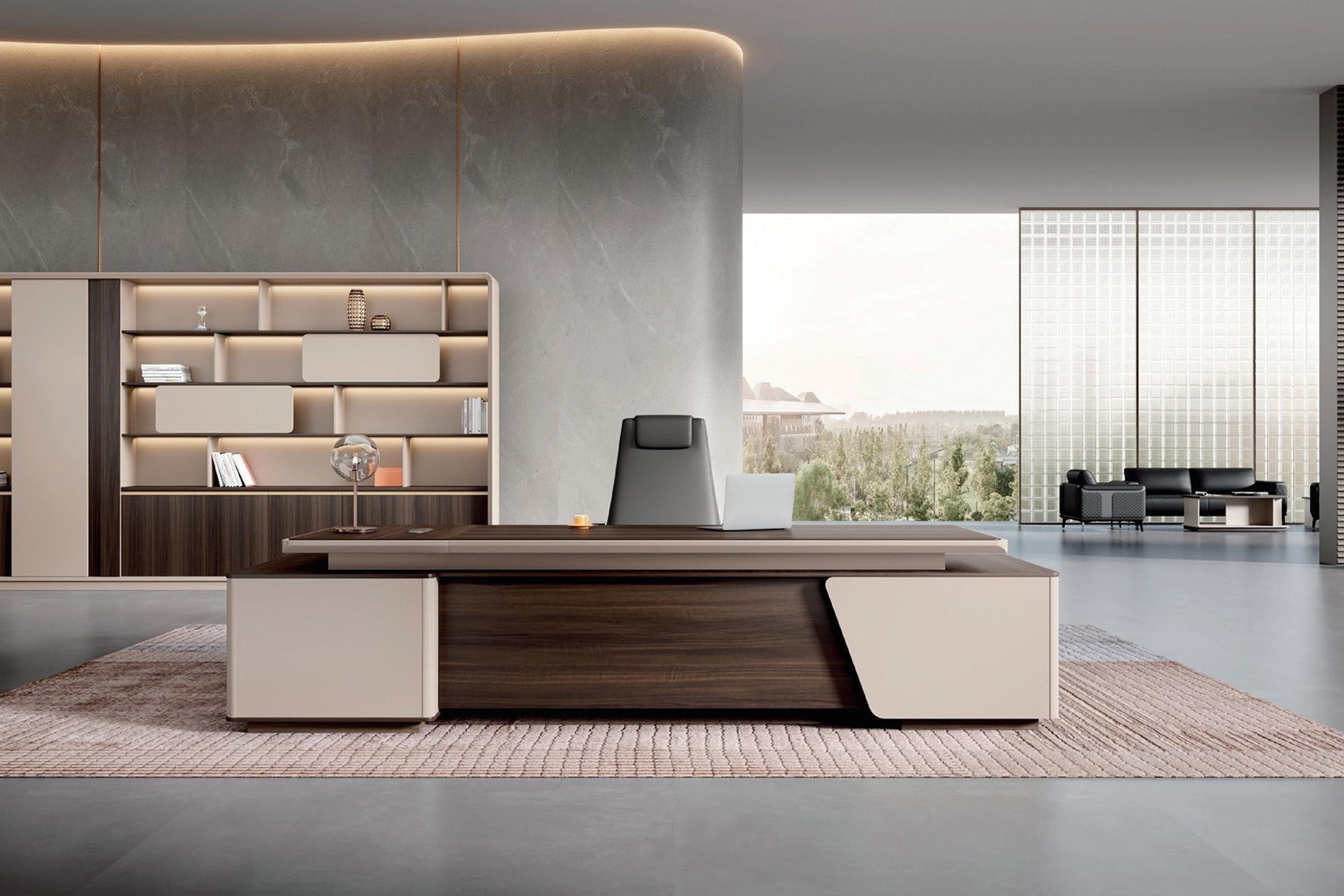
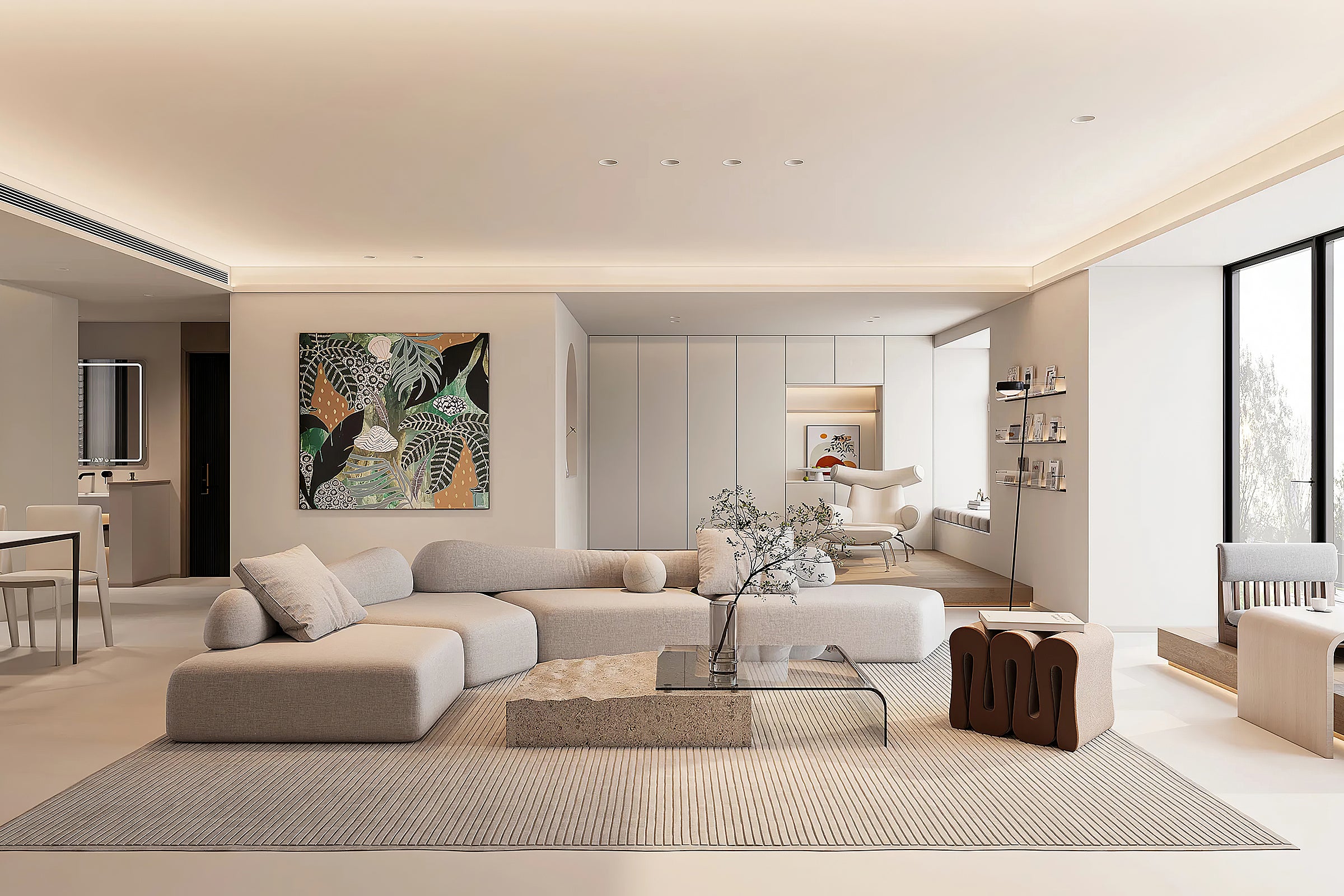

For a growing startup, office space is more than just a place to work—it reflects company culture, supports productivity, and sets the stage for collaboration. Planning the right furniture is critical, yet many startups underestimate the importance of thoughtful office furniture planning. The choices you make today can affect how efficiently your team works tomorrow. With careful strategy, you can design a space that supports growth, inspires employees, and adapts as your startup evolves.
Understanding the Needs of a Growing Startup
Startups have unique requirements compared to established companies. Teams are often small but dynamic, roles change quickly, and employees may wear multiple hats. This means that modern office design for a startup should prioritize flexibility, functionality, and scalability.
Consider the types of work your team does daily. Developers, designers, and marketing professionals may need open collaboration spaces, while sales or customer support may benefit from semi-private zones for focused calls. Understanding these needs will inform the layout, furniture types, and storage solutions required for maximum efficiency.
Choosing the Right Commercial Office Furniture
When investing in commercial office furniture, quality and durability are key. Startups often move quickly and need furniture that can handle frequent rearrangements, multiple users, and long-term wear. Look for modular desks, adjustable chairs, and mobile storage units. These elements provide flexibility as teams grow and roles change, and they make it easier to repurpose spaces for new projects or departments.
Ergonomics is another crucial factor. Employees who spend long hours at their desks require chairs and workstations that support posture and comfort. Adjustable-height desks, supportive seating, and footrests can reduce fatigue and improve overall productivity. Even small considerations like cable management solutions, monitor stands, or keyboard trays can make daily work smoother and less cluttered.
Planning for Flexibility and Growth
One of the biggest challenges for a growing startup is anticipating future needs. Office furniture planning should account for expansion, whether adding new team members, creating new departments, or introducing hybrid work models. Modular furniture, mobile partitions, and flexible workstations allow startups to scale without a complete redesign.
Consider creating multi-purpose areas. A single meeting room can double as a collaborative workspace when not in use for formal meetings. By choosing furniture that is easy to move and reconfigure, startups can respond quickly to changes in team size or workflow.
Balancing Collaboration and Focus
Modern startups thrive on collaboration, but constant interaction can be distracting. The layout and furniture selection should balance open areas for teamwork with quiet zones for focused work. Open tables, benching systems, and shared lounge spaces encourage collaboration, while partitioned desks, acoustic panels, or private pods allow for concentration.
Commercial office furniture designed with flexibility in mind can create this balance effectively. For example, desks with movable dividers can provide privacy when needed but still support team interaction. Storage cabinets can double as room separators, maintaining an open feel while reducing noise and visual distractions.
Selecting Ergonomic and Functional Seating
Seating is one of the most important aspects of office design for startups. For meeting and collaborative areas, consider flexible seating options such as stools, modular lounge chairs, or bench seating. These allow teams to adapt quickly for brainstorming sessions or client presentations. Providing a mix of seating types ensures that all employees have a comfortable place to work or collaborate.
Storage and Organization Solutions
Startups often face clutter from documents, hardware, and office supplies. Thoughtful office furniture planning should include storage solutions that keep the workspace organized without hindering movement. Mobile filing cabinets, modular shelving, and under-desk storage help employees access materials quickly and maintain a tidy environment.
Shared storage solutions also encourage collaboration and reduce duplication of resources. For example, a communal supply cabinet can provide easy access to printers, chargers, and office essentials. When combined with ergonomic workstations and proper desk layout, effective storage improves workflow and reduces stress.
Planning Zones and Layouts
A growing startup benefits from clearly defined zones. Consider dividing your office into areas such as collaborative spaces, quiet zones, meeting rooms, and social spaces. Using modern office design principles, these zones can flow seamlessly together while supporting distinct functions.
Furniture choice is critical for defining these zones. Low partitions, modular shelving, and area rugs can subtly delineate collaborative areas, while high-backed chairs, acoustic panels, or enclosed pods create private zones. Open floor plans with clearly designed pathways improve circulation, reduce congestion, and create a professional, organized environment.
Budgeting and Investment Strategy
Startups often face budget constraints, but investing in high-quality commercial office furniture pays off in productivity and longevity. Prioritize essential pieces such as ergonomic chairs, desks, and storage, and plan for modular additions as the company grows. Buying durable furniture reduces replacement costs and ensures that your office can adapt to changing team needs.
Consider second-phase investments in collaboration areas, private pods, or additional storage. By planning in stages, startups can balance initial affordability with long-term functionality, creating a workplace that grows with the team.
Sustainability and Aesthetic Considerations
Modern office design increasingly emphasizes sustainability and aesthetics. Choose furniture made from recycled or environmentally friendly materials when possible. Natural wood finishes, neutral tones, and clean lines create a professional, inviting atmosphere. A well-designed office enhances company culture, impresses clients, and motivates employees.
A visually appealing office also communicates brand values. Minimalist, modern furniture conveys professionalism and forward-thinking, while thoughtful touches like collaborative lounge areas or comfortable breakout spaces demonstrate care for employee wellbeing.
Final Thoughts
For a growing startup, careful office furniture planning is more than choosing desks and chairs—it’s about creating a space that supports productivity, collaboration, and company growth. The right office design not only enhances workflow but also reinforces company culture and attracts talent. With thoughtful planning and strategic furniture choices, your startup can create a modern office that grows alongside your team, empowering employees and supporting long-term success.


