
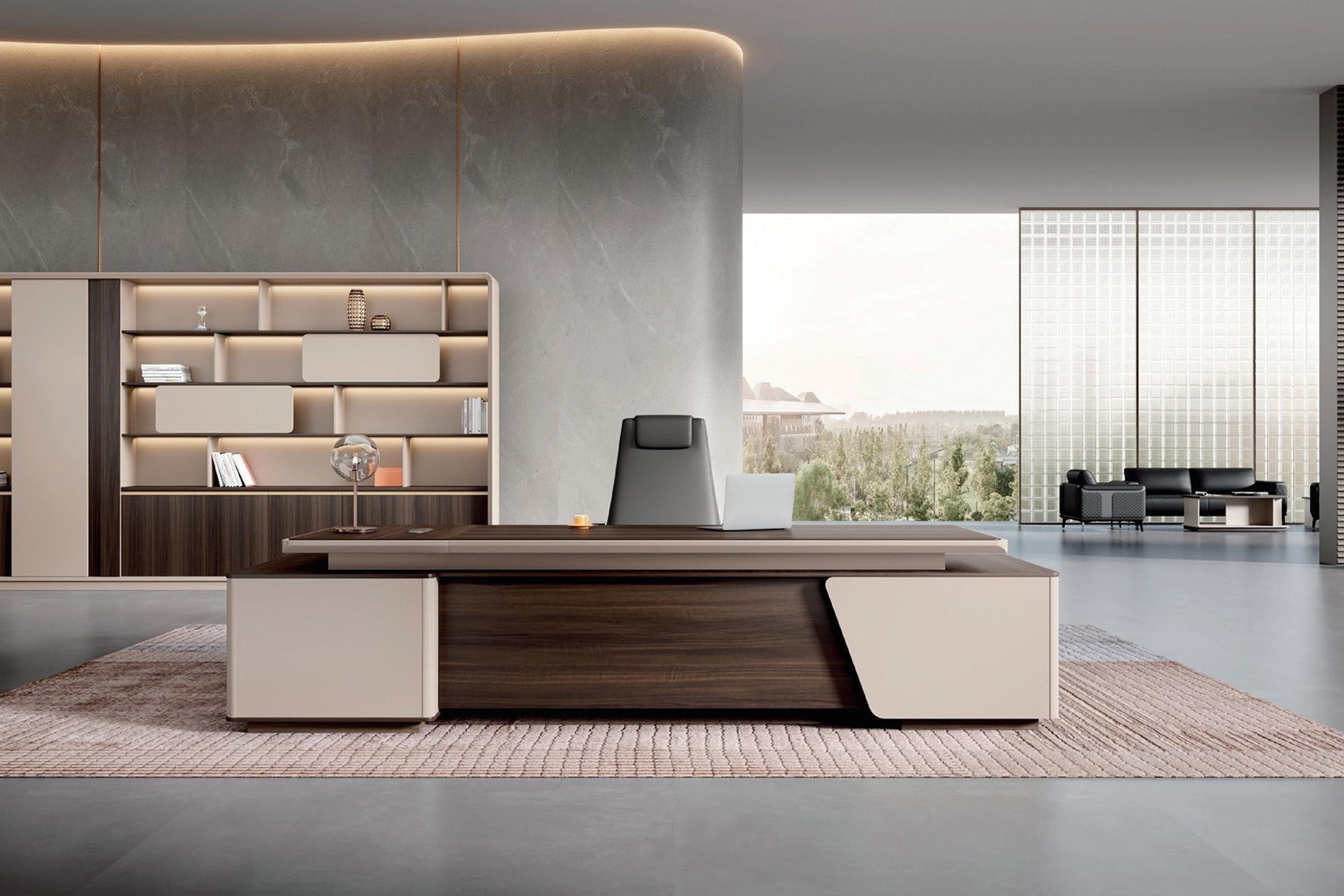
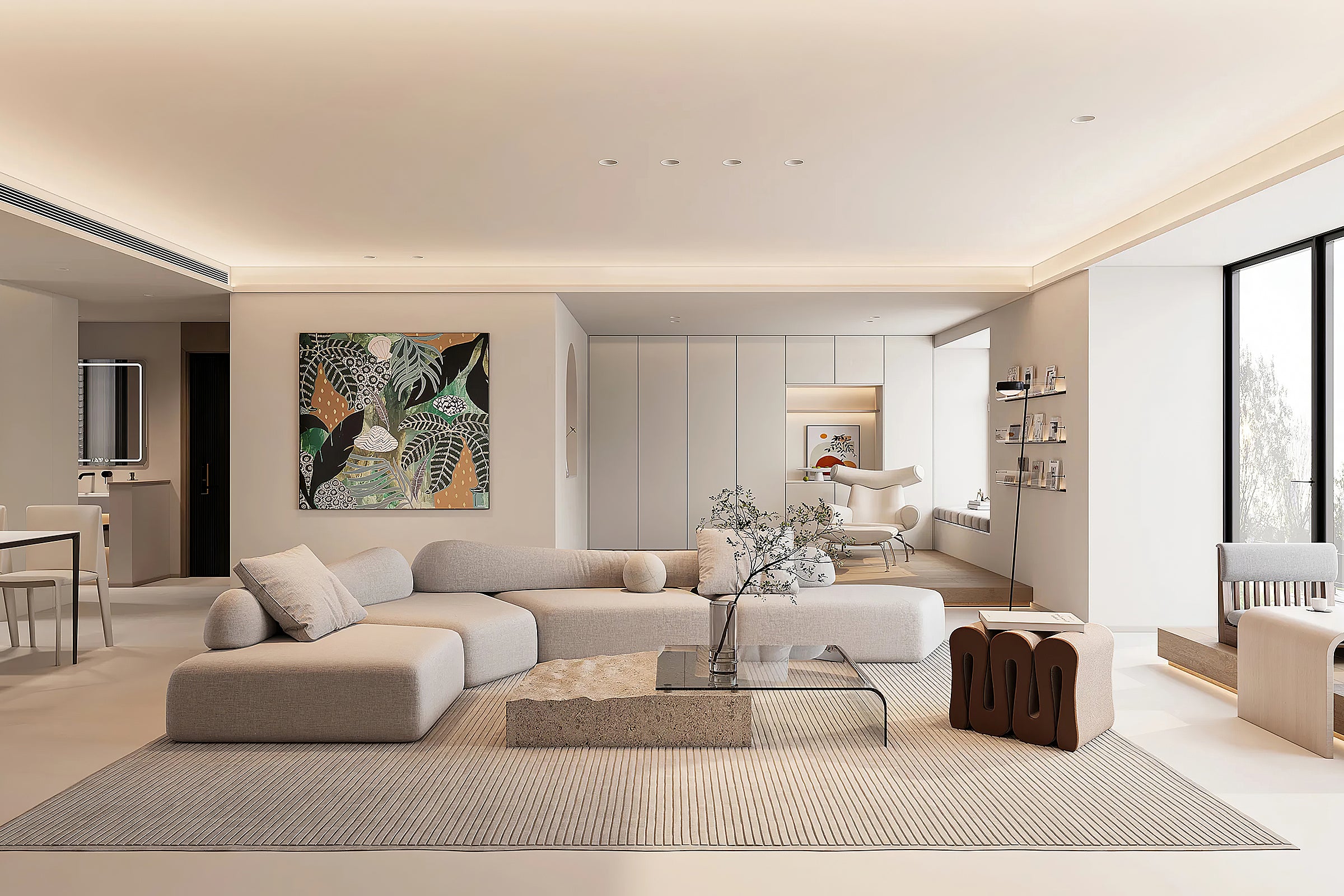

The rise of hybrid work has transformed the way companies and employees approach office spaces. With many professionals splitting time between a corporate office and remote work, creating a functional, comfortable, and flexible workspace has never been more important. Thoughtful home office design and smart furniture choices can significantly impact productivity, employee satisfaction, and overall workflow. This guide provides an essential furniture checklist for hybrid work environments, ensuring your team has everything they need to thrive both at home and in the office.
Understanding the Needs of Hybrid Work
Hybrid work environments require a balance between collaboration, individual focus, and adaptability. Employees need tools and furniture that allow them to switch seamlessly between concentrated work, virtual meetings, and creative brainstorming sessions. Unlike traditional office setups, hybrid environments must accommodate a variety of workstyles, including remote employees who rely on home workstations and office-based employees who may share desks or hot-desking spaces.
Investing in the right furniture is crucial for hybrid work succes. When employees are comfortable and equipped with appropriate tools, they can focus more on meaningful work rather than distractions or discomfort.
Adjustable Standing Desks: A Must-Have
One of the most important pieces of furniture for hybrid work is the adjustable standing desk. These desks allow employees to switch between sitting and standing positions throughout the day, promoting better posture, circulation, and overall health. Adjustable desks are suitable for both corporate offices and home workspaces, providing the flexibility necessary for extended hours at a desk.
Height-adjustable desks also support collaboration. In the office, employees can easily raise or lower their desks for quick discussions or group work. At home, they offer comfort for long hours spent on video calls, writing, or designing. Many modern adjustable desks come with programmable height settings, integrated cable management, and durable surfaces, making them both practical and aesthetically pleasing.
Comfortable and Ergonomic Seating
A standing desk is only effective if paired with ergonomic seating. Chairs should provide proper lumbar support, adjustable armrests, and cushioning that accommodates long periods of sitting. In hybrid work environments, comfort is essential because employees may spend part of their day at the office and part at home, often with different seating options.
Storage Solutions and Organization
Hybrid workspaces require thoughtful storage solutions to keep both office and home environments organized. Employees need access to necessary documents, tech accessories, and personal items without cluttering their work areas. Mobile cabinets, shelving units, and modular storage systems are ideal for maintaining order.
At home, small bookcases, filing cabinets, and drawer organizers can help employees create a professional setup without occupying excessive space. In offices, shared storage units and lockers support hot-desking arrangements, allowing employees to store items securely when working remotely or alternating between spaces.
Collaborative and Flexible Work Zones
Hybrid work environments must accommodate collaboration while still providing areas for focus. Furniture choices can help define these zones. Open tables, modular desks, and shared workstations encourage teamwork and spontaneous discussions. Acoustic panels, privacy screens, or small pods can provide quiet zones for concentrated work or private calls.
Flexible furniture ensures that spaces can adapt to different team sizes and activities. Tables with adjustable heights, mobile partitions, and stackable seating allow rooms to transform quickly from an individual workspace to a collaborative environment. This adaptability supports hybrid work’s dynamic nature and promotes productivity across diverse tasks.
Lighting and Work Surfaces
Proper lighting is essential in any hybrid work environment. Desks should have sufficient space for monitors, laptops, and other work tools. Adjustable desk lamps, LED task lighting, and natural light integration can reduce eye strain and create a more comfortable atmosphere. Surfaces should be durable, easy to clean, and compatible with technology accessories like monitor arms, keyboard trays, and docking stations.
In home offices, consider multifunctional desks with integrated LED lighting or cable management solutions to maintain a professional appearance. In office spaces, furniture with built-in power outlets or USB ports supports flexibility and ensures employees have everything they need for seamless work.
Aesthetic and Brand Considerations
Home office design and office furniture choices should reflect company culture and brand identity. Sleek, modern furniture creates a professional and inspiring environment, while color, materials, and finishes can reinforce the company’s style. A well-designed hybrid office signals to employees and visitors that the company values both comfort and professionalism.
Consistency between home and office setups can also improve employee experience. Providing guidelines or standard furniture options ensures that team members have a cohesive, ergonomic, and functional workspace wherever they are working.
Budgeting and Prioritization
Hybrid work requires investment, but careful planning allows startups and established companies alike to balance cost with quality. Prioritize essential items such as adjustable standing desks, ergonomic chairs, and multifunctional storage. Additional investments can focus on collaboration zones, lounge areas, and decorative touches that enhance aesthetics and morale.
By choosing durable, versatile furniture, companies can reduce long-term costs and minimize the need for frequent replacements. Modular and multifunctional pieces provide the best value because they adapt as teams grow and work patterns change.
Final Checklist
To summarize, an effective hybrid workspace should include:
- Adjustable standing desks for flexibility and health
- Ergonomic seating for comfort during long hours
- Multifunctional furniture for adaptable workspaces
- Storage solutions for organization and clutter reduction
- Collaborative and quiet zones for teamwork and focus
- Integrated technology support for seamless workflow
- Adequate lighting to reduce eye strain
- Aesthetic cohesion that reflects brand and culture
By considering these elements, companies can create hybrid work environments that maximize productivity, employee satisfaction, and flexibility.
Conclusion
Designing furniture for hybrid work environments requires a strategic approach that combines comfort, functionality, and adaptability. Focusing on home office design, investing in multifunctional furniture, and providing adjustable standing desks ensures that employees can work efficiently whether they are at home or in the office. By prioritizing flexibility, ergonomics, and organization, companies can create hybrid workspaces that support growth, collaboration, and overall employee well-being.


