
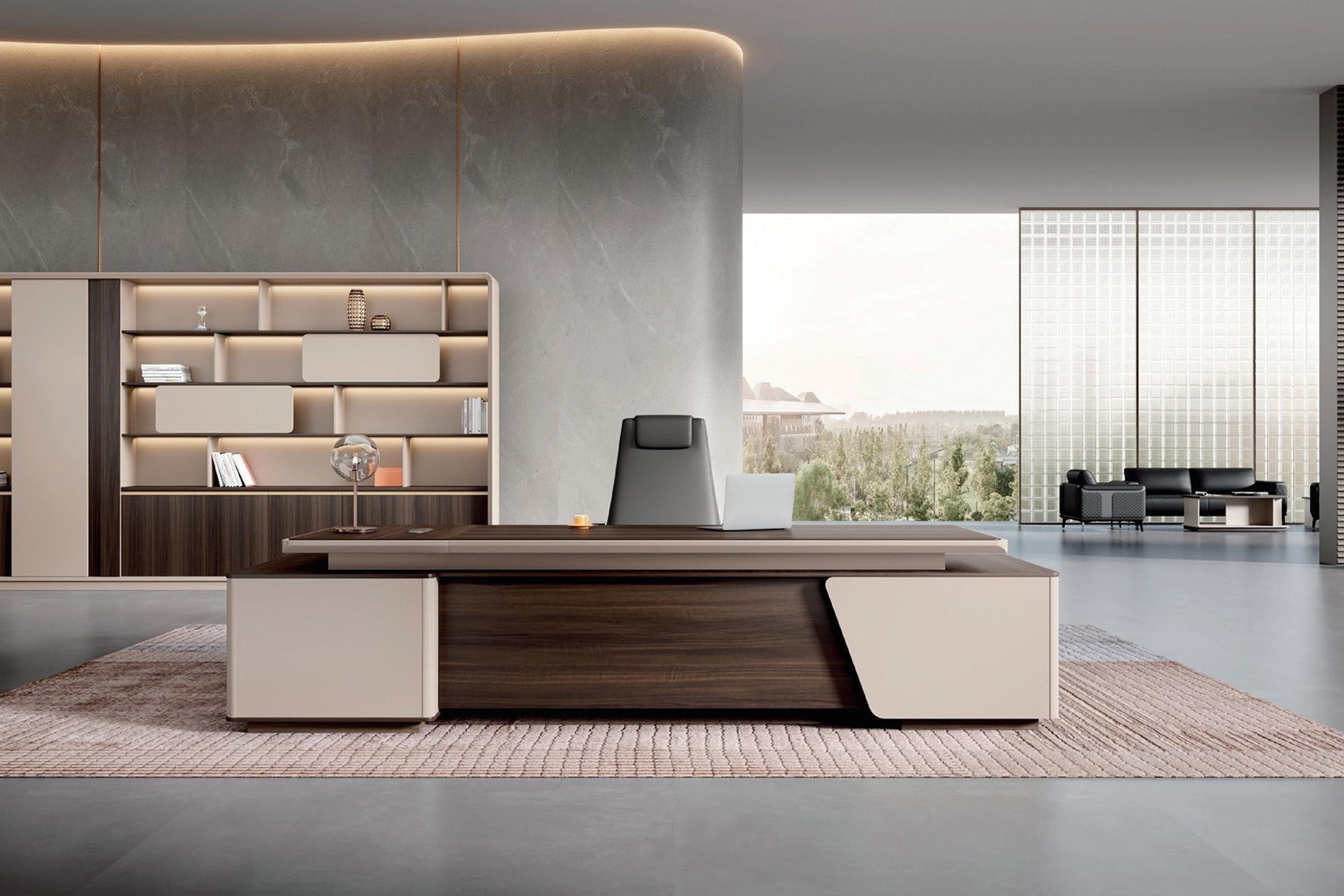
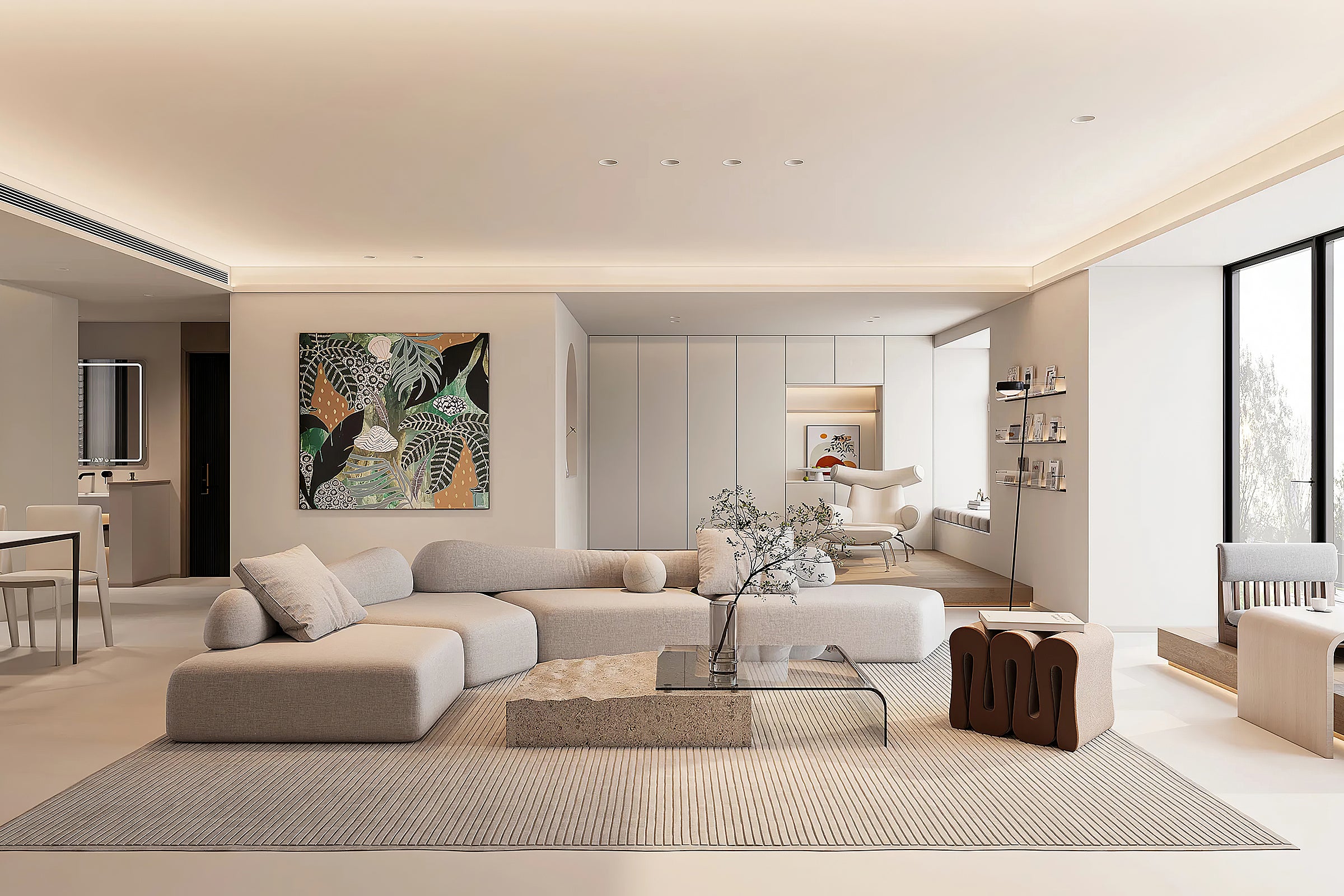

In the modern era of flexible work and urban entrepreneurship, the small office" has become the standard. Whether you are moving into a compact downtown suite or converting a spare room into a professional headquarters, the challenge remains the same: how do you fit maximum functionality into minimum square footage?
The secret isn't just buying smaller furniture; it’s buying smarter furniture. In a constrained space, every piece of decor must justify its footprint by serving multiple purposes or enhancing the user's physical well-being. This guide breaks down the non-negotiable essentials for a high-performing small office.
1.The Anchor: An Ergonomic Task Chair
If you only splurge on one item, make it the chair. In a small office, you might not have room for a lounge area or a breakout zone, which means you will likely spend 90% of your day in one seat.
- Small Space Tip: Look for chairs with "flip-up" arms. This allows the chair to be tucked completely under the desk when not in use, clearing the walkway in narrow rooms.
- Health Specs: Prioritize adjustable lumbar support, seat depth, and breathable mesh materials. A bulky executive leather chair may look prestigious, but it often visually overwhelms a small room and traps heat.
- The Mobility Factor: Ensure the chair has high-quality casters suited for your flooring (carpet vs. hard floor) to allow for fluid movement in tight quarters.

2.The Foundation: Compact or Height-Adjustable Desks
The desk is your cockpit. In a small office, a massive mahogany pedestal desk is usually a mistake. Instead, focus on "visual lightness"—furniture with thin legs or open frames that allow you to see the floor underneath, which makes the room feel larger.
Standing Desk Converters vs. Full Sit-Stand Desks
Health experts agree that movement is key to productivity. If space is tight:
- Wall-Mounted Desks: These "floating" desks eliminate floor clutter entirely.
- Electric Sit-Stand Desks: Look for models with a width of 48 inches or less. These provide the health benefits of a standing desk without occupying an entire wall.
- Corner Desks (L-Shaped): These are the ultimate space-savers. They utilize the "dead space" in corners that would otherwise go to waste, providing a large surface area while keeping the center of the room open.

3. Storage: Vertical and Mobile Solutions
Floor space is a premium commodity. When you run out of horizontal room, you must go vertical.
- Mobile Pedestals: Swap fixed filing cabinets for a mobile file pedestal with a cushioned top. This serves three roles: a filing cabinet, a junk drawer, and an extra seat for a quick guest collaboration.
- Floating Shelves: Instead of a bulky bookcase, install heavy-duty floating shelves above your desk. This keeps your essential reference books and supplies within reach but off your primary work surface.
- Pegboards: A modern favorite for small offices. A wall-mounted pegboard can hold headphones, cables, stationery, and even small potted plants, acting as a customizable vertical organizer.
4. Multi-Purpose Meeting Solutions
Small offices rarely have the luxury of a dedicated conference room. However, collaboration is still necessary.
- The Folding "Nest" Table: If you occasionally host meetings, look for nesting tables that can be folded and rolled into a corner when not in use.
- A Round Cafe Table: If you have a small corner to spare, a round table is more space-efficient than a rectangular one. It lacks sharp corners, making navigation easier in tight spots, and can double as a lunch break spot or a secondary workspace to change your perspective.
5. Lighting: Layering for Focus and Mood
Lighting is often overlooked in furniture checklists, but it is the most effective tool for making a small office feel "airy" rather than "cramped."
- Task Lighting: A slim, LED desk lamp with an adjustable neck is essential. Look for models with integrated USB charging ports to reduce the need for extra wall adapters and cord clutter.
- Ambient Lighting: Avoid harsh overhead fluorescent lights if possible. A tall, thin floor lamp in a corner can wash the ceiling with light, creating an illusion of height.
- Natural Light: Never block a window with a tall cabinet. Natural light is proven to boost Vitamin D and productivity, which is vital when working in confined spaces.
6. Acoustic and Privacy Elements
In small shared offices, noise can become a significant distraction. While you might not have room for permanent walls, "soft furniture" can help.
- Desk Privacy Panels: These clip-on felt or acrylic screens provide a visual boundary and dampen sound.
- Area Rugs: A high-pile rug isn't just for comfort; it absorbs echoes and defines the "work zone" in an open-plan small office or studio apartment.
Small Office Furniture Comparison Table
|
Furniture Piece |
Why It’s Necessary |
Best "Small Space" Feature |
|
Ergonomic Chair |
Prevents back pain and fatigue. |
Flip-up arms / Mesh back. |
|
L-Shaped Desk |
Maximizes corner utility. |
Compact footprint, dual-surface. |
|
Mobile Pedestal |
Storage and guest seating. |
Caster wheels and padded top. |
|
Vertical Shelving |
Frees up floor space. |
Wall-mounted or "Ladder" style. |
|
LED Task Lamp |
Reduces eye strain. |
Built-in USB charging ports. |
The Golden Rule: Measure Twice, Buy Once
Before clicking "Add to Cart," follow these three final steps:
- Map the Traffic Flow: Ensure there is at least 30 to 36 inches of "walking space" behind your chair and between furniture pieces. If you must squeeze sideways to reach your desk, the furniture is too large.
- Color Palette Matters: In small rooms, light colors (white, light oak, birch) reflect light and make the space feel expansive. Dark woods and black metal can "shrink" the room visually.
- Cable Management: In a small office, a mess of wires is magnified. Choose desks with built-in cable trays or "grommet holes" to keep the aesthetic clean and professional.
Conclusion
Outfitting a small office is an exercise in editing. By choosing ergonomic seating, multi-functional storage, and modular desks, you can create a workspace that feels like a professional powerhouse rather than a cramped closet. Remember, the goal of small office furniture is to support your body and your workflow without infringing on your physical environment.
Invest in quality, prioritize versatility, and your small office will provide a return on investment through increased focus and long-term comfort.
Meta Description
Maximize your limited square footage without sacrificing style or productivity. From ergonomic seating to clever modular storage, discover the essential office furniture pieces every small workspace needs to thrive.


