
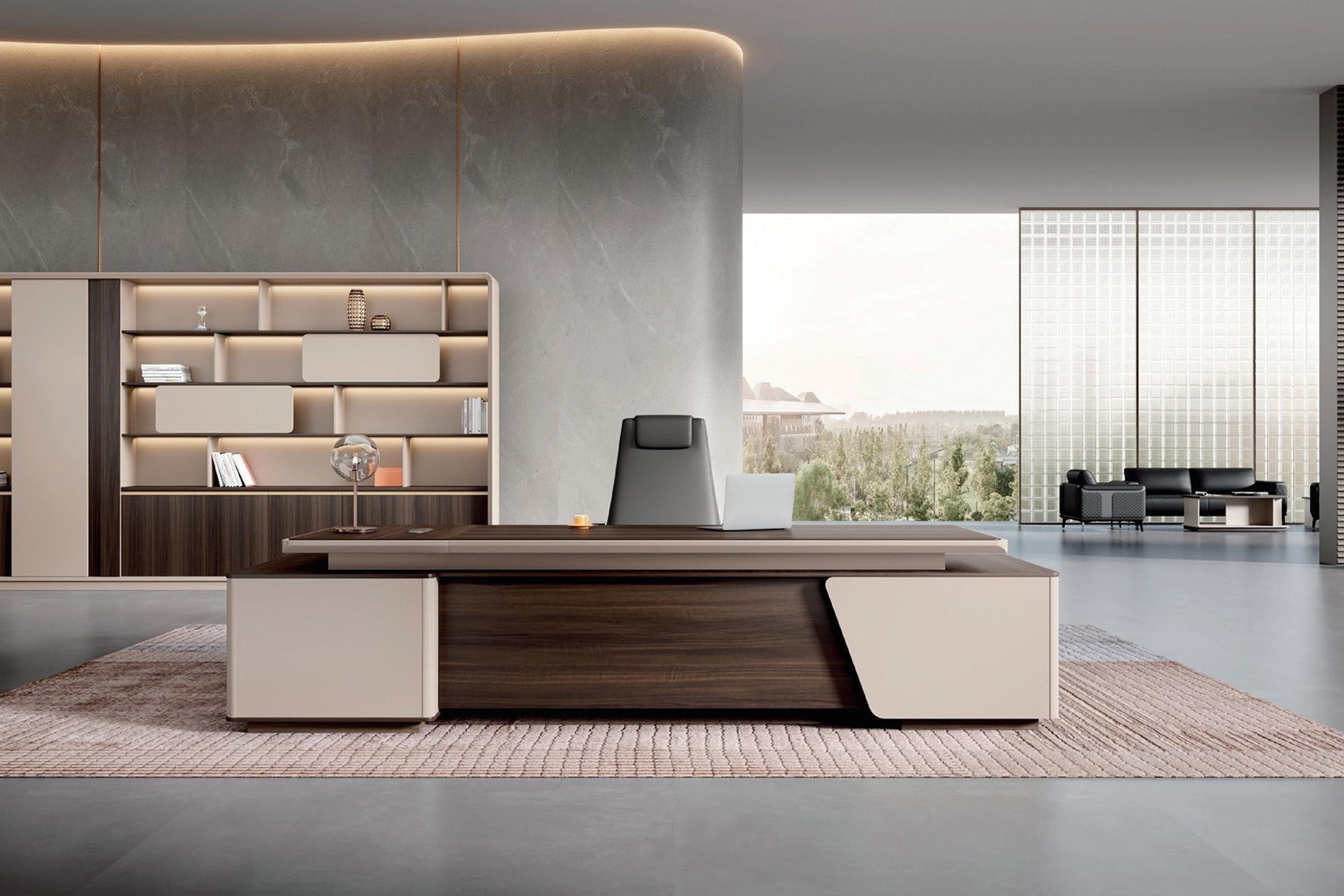
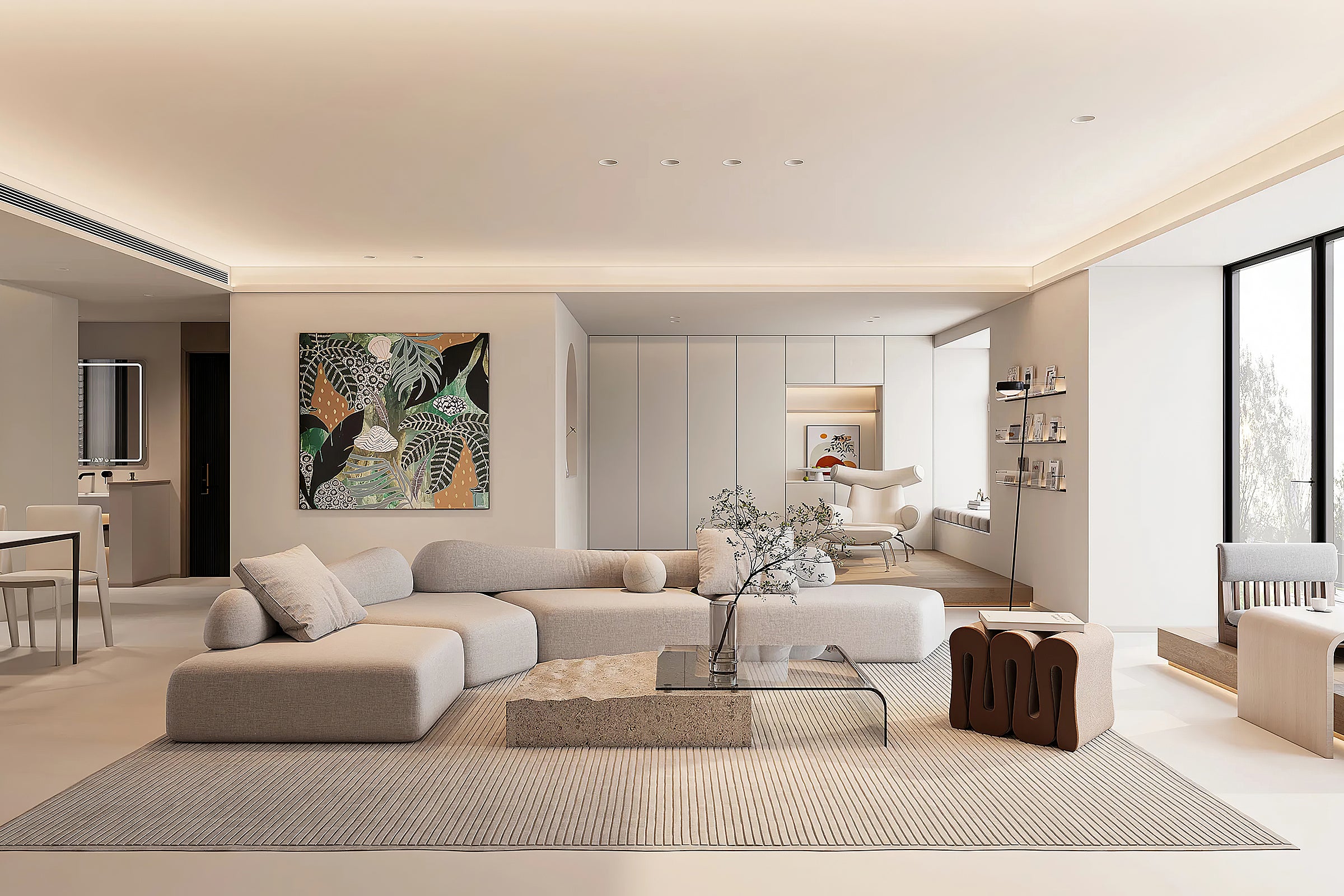

Creating an office that encourages collaboration and boosts productivity begins with thoughtful office space planning. A well-designed office isn’t just about aesthetics; it’s about how employees interact, move, and work together. From individual workstations to team meeting zones, the layout of your office furniture can directly influence communication, engagement, and overall workplace efficiency. In this article, we explore practical strategies for office furniture layout and offer insights into how to layout office furniture to create spaces that foster teamwork and innovation.
Understanding the Role of Office Space Planning
Office space planning involves strategically arranging furniture, equipment, and work zones to maximize functionality and efficiency. An effective plan considers not only the visual appeal of a workspace but also workflow, team interactions, and the psychological comfort of employees. Poor planning can lead to wasted space, frustration, and limited collaboration opportunities. Conversely, thoughtful planning supports communication, encourages spontaneous idea sharing, and reduces unnecessary distractions.
A critical aspect of office space planning is understanding the needs of your employees and how different teams interact. Departments that require frequent collaboration, like marketing or design, benefit from open areas and accessible meeting spaces. In contrast, roles requiring deep concentration, such as accounting or programming, may need semi-private or private workstations. By balancing collaborative and quiet spaces, office planners can create an environment that supports both teamwork and focus.
Open-Plan Offices: Encouraging Spontaneous Collaboration
Open-plan layouts are widely used in modern offices because they break down barriers between employees. By removing walls and cubicles, open spaces encourage spontaneous conversations and quick idea exchanges. However, designing an open-plan office requires careful office furniture layout to avoid noise distractions and maintain a sense of organization.
Clustered workstations, bench desks, or modular furniture setups are popular in open-plan spaces. For example, arranging desks in small pods allows teams to communicate easily while providing enough personal space. When considering how to layout office furniture, it’s important to leave clear pathways for movement, ensure access to natural light, and create visual divisions without fully isolating team members.
Flexible Workstations: Adapting to Changing Needs
Flexibility is key to modern office design. Movable desks, modular seating, and multipurpose areas allow employees to reconfigure their workspace based on project requirements. Flexible layouts support collaborative activities, such as brainstorming sessions, as well as individual tasks that require focus.
Hot-desking, for instance, allows employees to choose a workstation daily based on availability and project needs. Similarly, mobile partitions or rolling whiteboards can transform open areas into temporary meeting zones. When planning office furniture layout, integrating flexibility ensures that spaces adapt to both immediate and long-term business requirements.
Collaboration Zones: Designing for Teamwork
Collaboration zones, including breakout areas, lounges, or informal seating arrangements, play a vital role in fostering teamwork. These spaces encourage creative discussions, group problem-solving, and casual meetings that might not occur at a traditional desk.
To make collaboration zones effective, position them strategically within the office, easily accessible to relevant teams but not in high-traffic areas that could cause distractions. Equip these areas with comfortable seating, work surfaces, and tools such as whiteboards or digital displays. Thoughtful office space planning ensures these zones are both functional and inviting.
Balancing Privacy and Interaction
While collaboration is essential, employees also need private spaces to focus and complete deep work. Semi-private pods, acoustic panels, and partitioned cubicles provide a balance between social interaction and individual concentration. When designing how to layout office furniture, consider the balance between open collaborative areas and quiet workspaces. A successful layout enables employees to transition smoothly between teamwork and focused work.
Privacy features should not feel isolating. Instead, they should offer visual and acoustic separation while maintaining a sense of connectivity. Combining these elements helps create a versatile office that caters to diverse work styles.
Incorporating Technology in Office Layout
Modern offices rely heavily on technology, and how to layout office furniture must account for tech integration. Desks with built-in power outlets, USB ports, and cable management systems reduce clutter and support seamless connectivity. Shared screens, conference tools, and collaborative software should be strategically placed to enhance teamwork without creating bottlenecks or disruptions.
When arranging office furniture layout, ensure that technology is easily accessible from workstations and collaboration zones. This minimizes downtime, reduces frustration, and promotes efficient teamwork, allowing employees to focus on problem-solving rather than technical limitations.
Ergonomics and Employee Comfort
Office space planning isn’t complete without considering employee comfort. Ergonomic furniture, proper desk height, and adjustable seating contribute to physical well-being and reduce the risk of strain or injury. Comfortable employees are more likely to engage in collaborative activities and sustain high productivity levels.
When planning office furniture layout, ensure that chairs, desks, and collaboration areas are designed with ergonomics in mind. Adequate spacing between desks and meeting zones prevents overcrowding, while natural lighting and greenery improve the overall office environment. These elements make collaboration more pleasant and effective.
Maximizing Small Spaces
Not every office has ample square footage, but small spaces can be optimized with strategic layout choices. Vertical storage, compact desks, and multi-functional furniture allow teams to work efficiently without feeling cramped. When thinking about office space planning, utilize walls, corners, and flexible furniture to create zones for collaboration without compromising mobility or comfort.
Smart layouts in smaller offices include shared tables for team projects, foldable seating for flexible meeting areas, and partitioning that balances privacy with openness. Even in compact environments, careful office furniture layout can foster a collaborative culture.
Sustainability and Aesthetic Considerations
Sustainable materials and visually appealing furniture contribute to a positive office experience. Using eco-friendly desks, chairs, and finishes can create a healthier environment while promoting company values. A cohesive, attractive aesthetic also makes collaboration zones more inviting and encourages employee interaction.
When designing how to layout office furniture, consider color schemes, lighting, and furniture textures. An office that is both functional and visually appealing enhances morale and encourages employees to spend time collaborating in shared spaces.
Conclusion
Effective office space planning is about more than filling a room with desks and chairs. A thoughtful office furniture layout can transform an ordinary workspace into a collaborative, productive environment. By balancing open areas with private spaces, integrating technology, and prioritizing comfort, companies can create offices that foster creativity, communication, and teamwork.
Understanding how to layout office furniture strategically allows businesses to maximize efficiency, encourage collaboration, and create a workplace that employees genuinely enjoy. Whether designing a large open-plan office or a compact, flexible workspace, thoughtful planning ensures every square foot contributes to productivity and innovation.


