
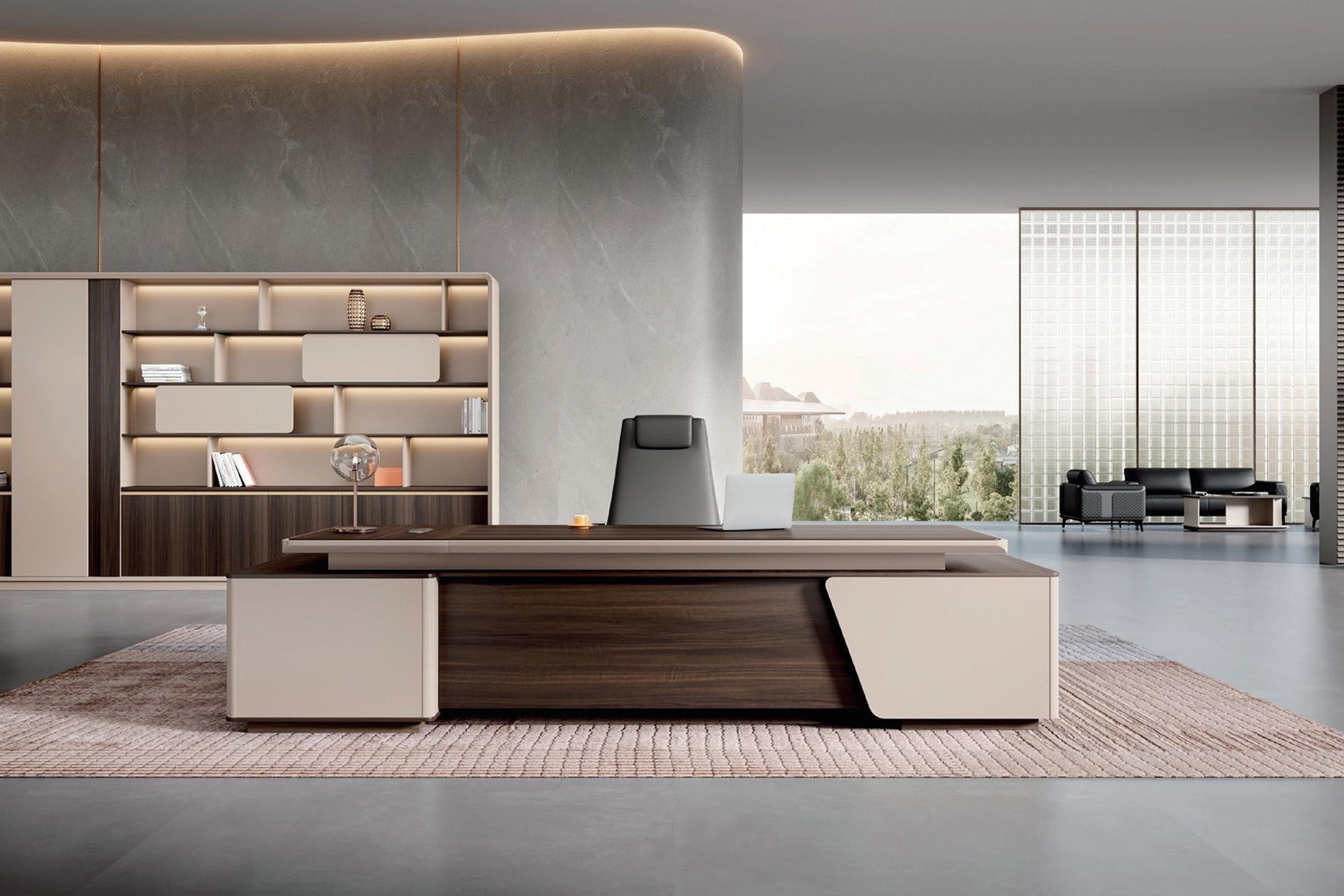
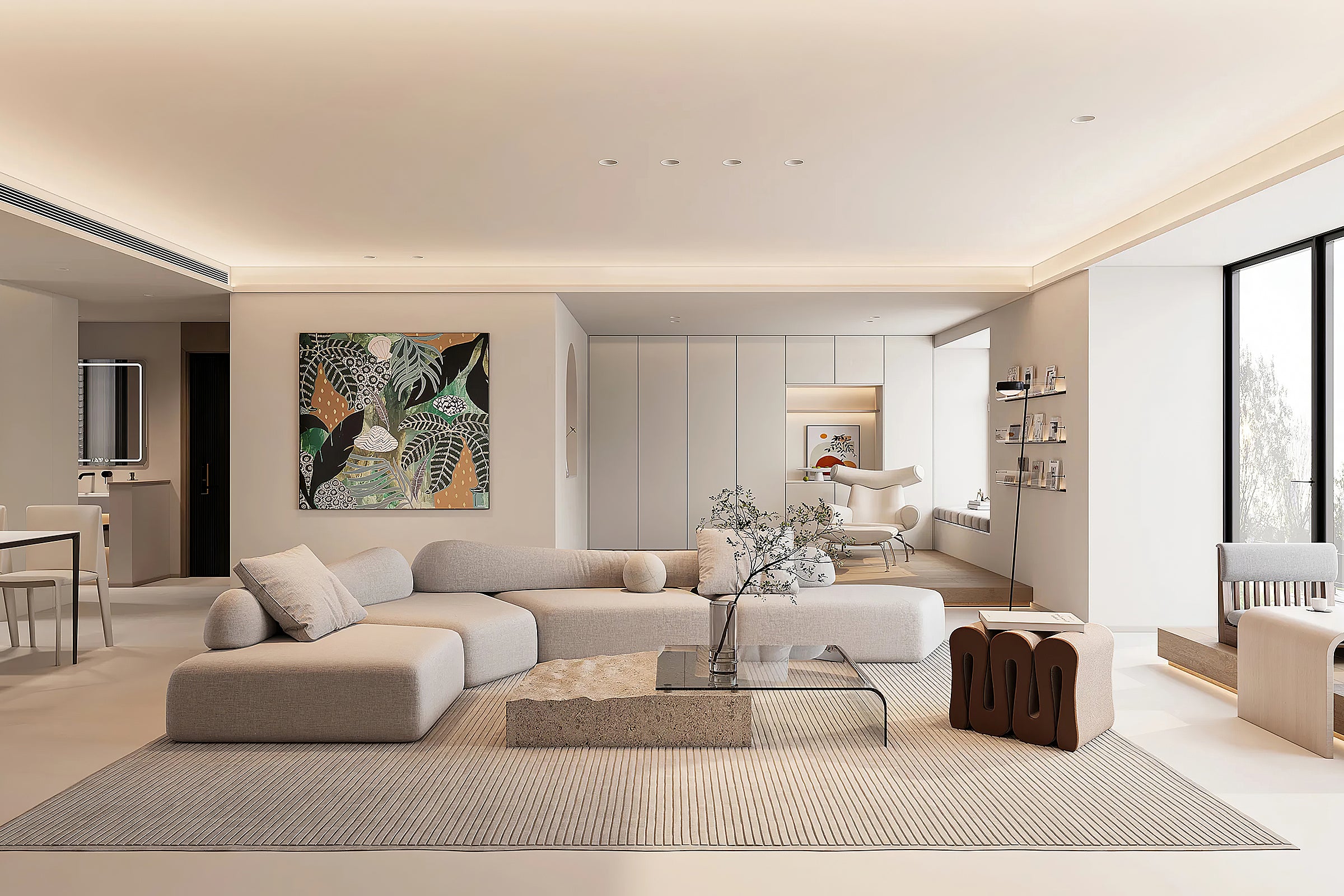

We often talk about productivity in terms of "hacks"—the perfect morning routine, the right project management software, or the ideal caffeine intake. But we rarely look down at the very thing supporting us for eight hours a day: our furniture.
The truth is, your office environment isn't just a backdrop for work; it is an active participant in it. The chairs your team sits in, the height of their desks, and even the layout of their storage units are silent drivers of output, morale, and health. If you’re looking to boost your bottom line, it might be time to stop looking at spreadsheets and start looking at your floor plan.
1. The Ergonomic Connection: Comfort is a Catalyst
The most direct link between furniture and productivity is physical health. It is impossible to produce high-quality work when you are distracted by a nagging ache in your lower back or a sharp pain in your wrist.
Ergonomics is the science of designing the workplace to fit the user. When furniture is ergonomically sound, it reduces the "cognitive load" of physical discomfort.
- Adjustable Seating: A chair that supports the spine’s natural curve prevents slouching. When employees aren't constantly shifting to find a comfortable position, they stay in "the flow" longer.
- Neutral Posture: Desks and chairs that allow for a neutral posture—feet flat on the floor, elbows at 90 degrees—reduce the risk of Repetitive Strain Injuries (RSIs).
- The Cost of Inaction: A workforce in pain is a workforce that takes more sick leave and suffers from "presenteeism"—being physically present but mentally checked out due to discomfort.
2. The Psychology of "Active" Workstations
The "sitting is the new smoking" mantra has taken the corporate world by storm, and for good reason. Stagnation leads to mental fog.
Height-adjustable (sit-stand) desks are perhaps the greatest productivity tool of the modern era. They allow employees to transition between sitting and standing throughout the day. This movement:
- Increases blood flow to the brain, sharpening focus.
- Boosts energy levels during the mid-afternoon "slump."
- Reduces feelings of lethargy and fatigue.
By giving employees the agency to change their physical state, you are giving them the power to reset their mental state.
3. Layout and the "Flow" of Information
Productivity isn't just about individual output; it’s about how a team moves together. The way furniture is arranged dictates how people communicate.
- Collaborative Zones: Low-partition desks or communal tables encourage spontaneous "collisions"—those five-minute chats that solve problems faster than a thirty-minute scheduled meeting.
- Privacy Pods: On the flip side, an open-plan office without "focus zones" is a productivity killer. Modular acoustic panels or high-backed sofas provide the visual and auditory privacy needed for "deep work."
- Clean Desks, Clear Minds: Built-in cable management and integrated storage help eliminate "visual clutter." A messy desk creates a chaotic mind, whereas a streamlined workspace allows for better organization and faster task switching.
4. The "Halo Effect" of Aesthetic Design
Never underestimate the power of pride. When an office is furnished with high-quality, aesthetically pleasing pieces, it sends a clear message to employees: “You are valued.”
This psychological boost leads to higher levels of engagement. An employee who feels respected and comfortable is more likely to take ownership of their work. Furniture that reflects the brand’s identity—whether it’s sleek and modern for a tech firm or warm and organic for a creative agency—helps foster a sense of belonging.
A Productivity Checklist for Your Office
If you're ready to upgrade your workspace, use this table to prioritize your investments based on their impact:
|
Furniture Element |
Impact on Productivity |
Primary Benefit |
|
Task Chair |
Extremely High |
Reduces physical pain and fatigue |
|
Sit-Stand Desk |
High |
Maintains energy and metabolic health |
|
Acoustic Screens |
Medium/High |
Minimizes distractions in open offices |
|
Mobile Storage |
Medium |
Increases organization and space flexibility |
|
Lounge Seating |
Medium |
Facilitates creative thinking and breaks |
5. Lighting and Color: The Unseen Furniture
While not "furniture" in the traditional sense, the integration of lighting and color into your furniture choices is vital.
- Blue-enriched Light: Often integrated into modern desk lamps, this helps with alertness.
- Natural Textures: Choosing furniture with wood grains or biophilic elements (like built-in planters) can lower heart rates and reduce stress.
- Color Psychology: Blue furniture can promote calm and focus, while small accents of yellow or orange in breakout areas can stimulate creativity and social interaction.
6. Flexibility for a Hybrid World
In 2026, the "fixed" office is a relic. Productivity today relies on adaptability. Modular furniture—pieces that can be moved, stacked, or reconfigured—allows the office to change based on the task at hand.
If a team needs to pivot from individual coding to a group workshop, the furniture should be able to keep up. When the environment can be customized by the users themselves, it increases their "environmental mastery," a key component of psychological well-being and productivity.
The ROI of Good Design
Skeptics often look at the price tag of high-end ergonomic furniture and see a cost. Smart leaders look at that price tag and see an investment.
Think of it this way: If a $\$1,000$ chair increases an employee's efficiency by just $5\%$ by reducing distractions and fatigue, that chair pays for itself within months. Over the course of five years, the return on that investment is astronomical.
Conclusion
We shape our buildings, and thereafter, they shape us. This famous sentiment holds for our desks and chairs. If you want your team to perform at its peak, you must provide them with a "high-performance" environment.
Investing in quality office furniture isn't about luxury; it’s about removing the barriers between an employee and their best work. When the body is supported, the mind is free to soar.


