
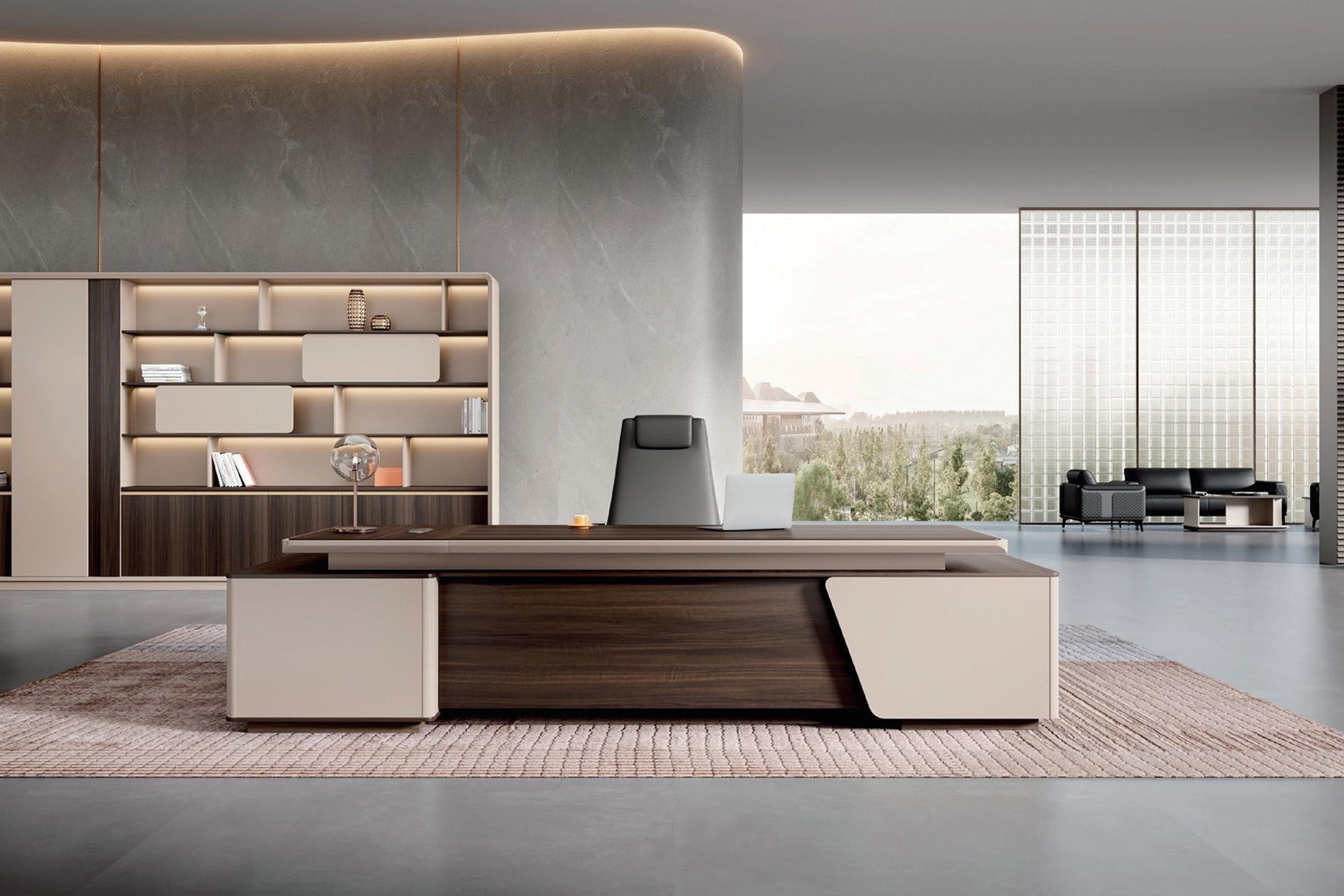
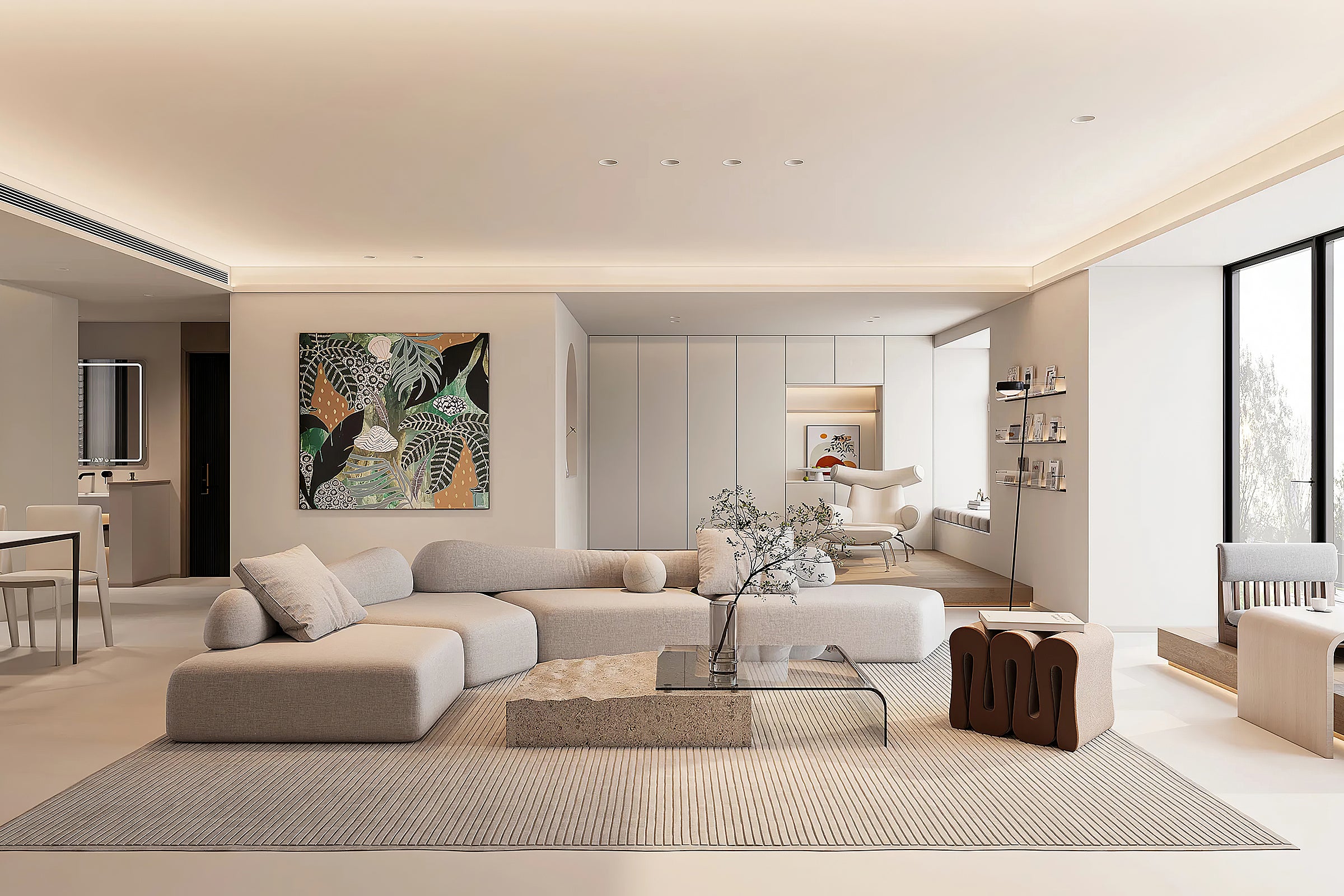

How to Balance Budget and Quality in Office Furniture Purchasing
For any growing business, procurement is a delicate balancing act. On one hand, capital preservation is essential for operational liquidity; on the other hand, the physical environment is a primary driver of employee productivity, health, and brand perception. Choosing the cheapest available office furniture often leads to a "false economy"—where replacement costs, medical absenteeism, and low morale quickly erode initial savings.
The goal of a sophisticated procurement strategy is to identify where to invest for maximum impact and where to optimize for cost. This guide outlines a professional framework for balancing budget and quality, ensuring your workspace remains both fiscally responsible and high-performing.
1. The "Value-Per-Hour" Investment Strategy
The most effective way to balance a budget is to allocate funds based on the duration of use. In a standard office, an employee interacts with three primary elements: the chair, the desk, and the ambient light.
- The 8-Hour Investment (High Priority): The office chair is the most critical piece of equipment. A low-quality chair leads to musculoskeletal disorders (MSDs), which cost businesses billions in lost productivity. Invest in BIFMA-rated ergonomic chairs with synchronized tilt and adjustable lumbar support. Spending $400 on a chair that lasts 10 years is significantly cheaper than spending $100 every year on a residential-grade chair that breaks.
- The 6-Hour Investment (Mid Priority): The desk surface. While a solid wood desk is beautiful, High-Pressure Laminate (HPL) or Melamine Faced Chipboard (MFC) offers the same structural integrity and scratch resistance at a fraction of the cost.
- The 2-Hour Investment (Low Priority): Decorative lounge seating, guest chairs, and side tables. These are used intermittently. You can afford to choose more budget-friendly materials here while maintaining the desired aesthetic.
2. Embrace Modular and Scalable Systems
Custom-built furniture is the enemy of a tight budget. It is expensive to produce, difficult to move, and impossible to scale.
- Benching vs. Individual Desks: Benching systems (long rows of shared frames) are significantly more cost-effective for teams of 10 or more. They share legs and support beams, reducing the total material cost and simplifying assembly.
- The "Add-On" Logic: Purchase furniture lines that have been in production for years and are likely to remain so. This allows you to buy 10 desks today and 10 identical units next year as you scale, maintaining a cohesive Italian Minimalist or Japandi look without a total redesign.
3. Prioritizing Functional Materials Over Premium Finishes
Quality is often found in the "guts" of the furniture rather than the surface. You can achieve a high-end look on a mid-range budget by being selective about materials.
- Frame Construction: Insist on steel frames with powder-coated finishes. Avoid plastic structural components. A steel frame for a height-adjustable desk ensures stability at maximum extension (e.g., $115cm$ or $45.3"$), preventing the "monitor wobble" that plagues cheap sit-stand desks.
- Aesthetic Shortcuts: If you love the look of a Japandi office, you don't need solid ash wood throughout. Use light oak-textured laminates for the desktops and reserve real wood accents for highly visible areas like the reception counter or the executive boardroom table.
- Fabric Choice: High-rub-count polyesters often outperform expensive leathers in a commercial setting. They are easier to clean, more breathable for the user, and significantly more affordable.
4. The Hidden Costs: Shipping, Assembly, and Warranty
A "bargain" price on an e-commerce platform often hides logistical nightmares. True quality includes the service ecosystem surrounding the product.
- Flat-Pack vs. Pre-Assembled: While flat-pack furniture reduces shipping costs, the "man-hours" required for assembly in a 50-person office can be staggering. Calculate the cost of your team's time (or a professional installer) before choosing the cheapest shipping option.
- Warranty as an Asset: A 5-year warranty on a motor for a height-adjustable desk is a financial hedge. If a $300$ desk has no warranty and the motor fails in month 13, your cost-per-year is $300$. If a $500$ desk has a 5-year warranty, your maximum cost-per-year is only $100$. Quality is a form of insurance.
5. Standardizing Dimensions for Flexibility
Bespoke sizes drive up costs and create "dead zones" in your floor plan. By standardizing your furniture dimensions, you can move pieces between departments as needs change.
- Standard Workstation: 55" x 27.5". This is the "Goldilocks" size—large enough for dual monitors, yet compact enough to maximize floor real estate.
- Metric/Imperial Awareness: If you are sourcing globally, ensure your conversions are exact. A 1600mm desk is not exactly 60 inches; it is 63 inches. Those extra 3 inches can ruin a 10-desk row if your floor plan is tight.
6. Smart Sourcing: The Direct-to-Consumer Advantage
For new businesses, the traditional furniture dealership model—with its heavy markups and "project management fees"—is often unnecessary.
- Digital Procurement: Modern e-commerce platforms allow you to view A+ content, 360-degree renders, and technical storyboards. Sourcing directly from manufacturers who specialize in Nordic or Minimalist office furniture removes the middleman, allowing you to reallocate that 20–30% margin into higher-quality ergonomic components.
7. The Power of "Mixed-Tier" Furnishing
You do not need the same level of quality for every square inch of the office.
- Tier 1 (High Budget): The Reception Desk and Boardroom. These are "Client-Facing" areas where brand prestige is paramount. Use real stone, glass, or premium veneers here.
- Tier 2 (Mid Budget): The General Staff Area. Focus on 100% ergonomics—quality chairs and height-adjustable desks—but use standard finishes.
- Tier 3 (Low Budget): Storage rooms, internal corridors, and cafeteria seating. Functional, clean, and simple.
Conclusion: Value is a Long-Term Metric
Balancing budget and quality in office furniture is not about finding the lowest price; it is about finding the lowest Total Cost of Ownership (TCO). By investing in the "touchpoints" that affect human health—like ergonomic chairs and stable sit-stand desks—and using modular, standardized designs, you create a workspace that is both beautiful and sustainable.
A well-furnished office is an investment in your company’s culture. When employees see that you have prioritized their comfort through quality furniture, it fosters a sense of value that far outweighs the initial cost. Plan with data, prioritize ergonomics, and choose timeless minimalist designs that will serve your business for years to come.


