
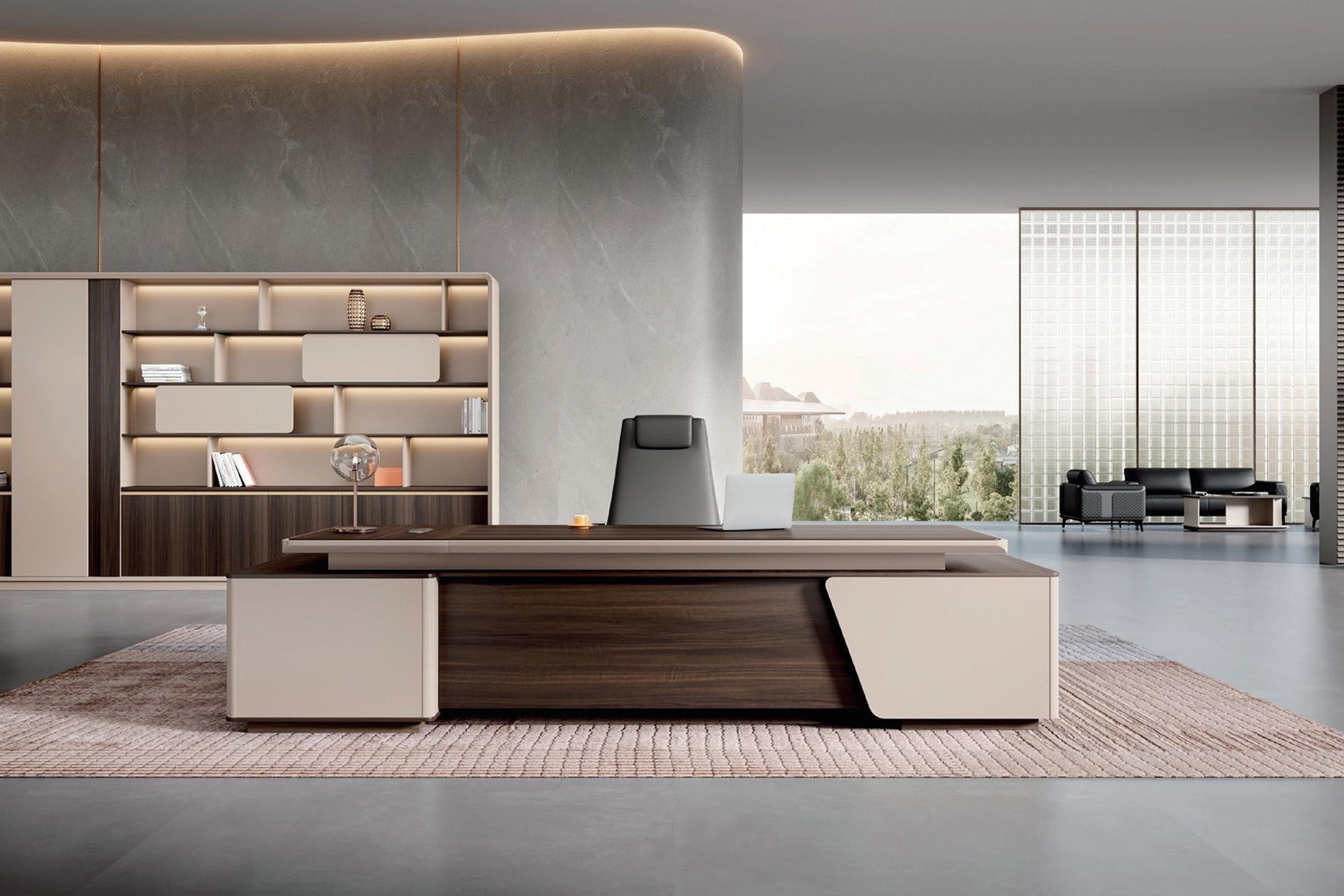



Creating the right study environment is crucial for a child's growth, where a writing desk matters the most. It's more than just a place to do homework; it's a personal station that will accompany your child through years of learning and creative growth. This guide covers everything you need to know about selecting a durable, high-quality desk that stands the test of time.
The Importance of a Durable Desk
Adaptability for Every Stage
A long-lasting desk allows you to optimize the learning environment as your child grows. A desk that lasts from childhood to college adapts not only to children's growth spurts but also to their evolving study habits.
Economic Benefits
Investing in a high-quality desk upfront saves you from frequent replacements. It might seem more expensive than standard ones, but more economical in the long term. A solid desk can even become a family heirloom, passed down to younger siblings or the next generation.
Key Features of a "Grow-With-You" Desk
Height Adjustability
One of the critical features that distinguishes a good desk is its height adjustability. It can adapt to the user's height as he grows, which is essential for a long-lasting desk. preventing slouching and eye strain. Ideally, look for a desk (or a desk-chair combination) that allows a child to maintain proper posture from elementary school right through their teenage years.
Scalable and Modular Design
As students advance from grade to grade, the stack of textbooks, devices, and supplies grows. A durable study desk should feature a modular design. Look for options that allow you to add hutches, mobile file cabinets, or side shelving later on as storage needs increase.
Resilient Materials
If you plan on keeping this furniture for 15+ years, material matters. Look for scratch-resistant and stain-resistant finishes. Solid hardwoods (like oak or maple) or high-grade plywood with durable laminates ensure the desk is in good condition despite the inevitable spills and scribbles.
How to Choose the Right Desk
Sizing It Up
A standard student desk is typically 40 to 48 inches wide and about 24 inches deep. This size provides enough surface area for a laptop, a notebook, and an open textbook, making it suitable from elementary school through college. Also, measure your space carefully. Whether it's going in a bedroom or a shared living area, ensure there is clearance for the chair to pull out.
Check the Functionality
When selecting a long-lasting desk, place equal emphasis on its basic functions and the functions you might need in the future. For example, if you expect to use your computer and ipads more frequently, make sure it has a cable grommet and enough room for your devices.
Timeless Design
Since this piece will be in your home for a long time, avoid overly "childish" themes. Opt for a simple, clean aesthetic that fits with your home decor. A neutral design ensures the desk doesn't look out of place as your child's tastes mature.
Maintenance
Daily Care
To keep a desk looking its best, simple maintenance goes a long way. Regular dusting and wiping with a damp cloth are usually sufficient. If you choose a real wood desk, keeping indoor humidity levels consistent is important to prevent warping or cracking.
Handling Scratches and Stains
Wear and tear are signs of a well-loved desk. However, high-quality materials allow for repairs. Minor scratches can often be buffed out with sandpaper and refinished with wood wax or oil.
How to Use
Adapting to Changing Learning Styles
An elementary student needs surface area for arts, crafts, and handwriting practice. A high schooler needs space for a laptop, a second monitor, and textbooks. A well-designed, durable desk offers the surface area and cable management to handle this transition seamlessly.
Versatility Beyond School
A great desk isn't just for homework. It serves as a hub for hobbies, gaming, creative writing, and art. Eventually, it can easily transition into a home office desk for an adult.
Conclusion
Choosing a durable writing desk is an investment in your child's future. By prioritizing features like height adjustability, modular storage, and premium materials, you provide a consistent, supportive space for their education. A desk that holds the memories of late-night study sessions and early-morning projects is more than furniture; it's a partner in their development.
Frequently Asked Questions
Q: What is the average lifespan of a high-quality student desk?
A: A durable desk with proper maintenance can easily last from 1st grade through college graduation (15+ years). It can even last for over 20 years in some cases.
Q: What is the price for a durable desk?
A: A high-quality, long-lasting desk typically ranges from $500 to $1,500.
Q: What materials do you recommend for longevity?
A: Solid hardwoods (like Oak, Walnut, or Maple) are the gold standard for durability. High-grade plywood is also an excellent choice.
Q: How often should I perform maintenance on the desk?
A: You should wipe down the surface daily or weekly to remove dust and crumbs. Applying wood conditioner or wax once or twice a year is recommended to keep the finish healthy. The specific frequency should be determined by how often it is used and the conditions of its environment
Q: Can a child's desk be used by an adult?
A: Yes. Many long-lasting desks are designed with features suitable for adults and can be used as home office desks or workstations.


