
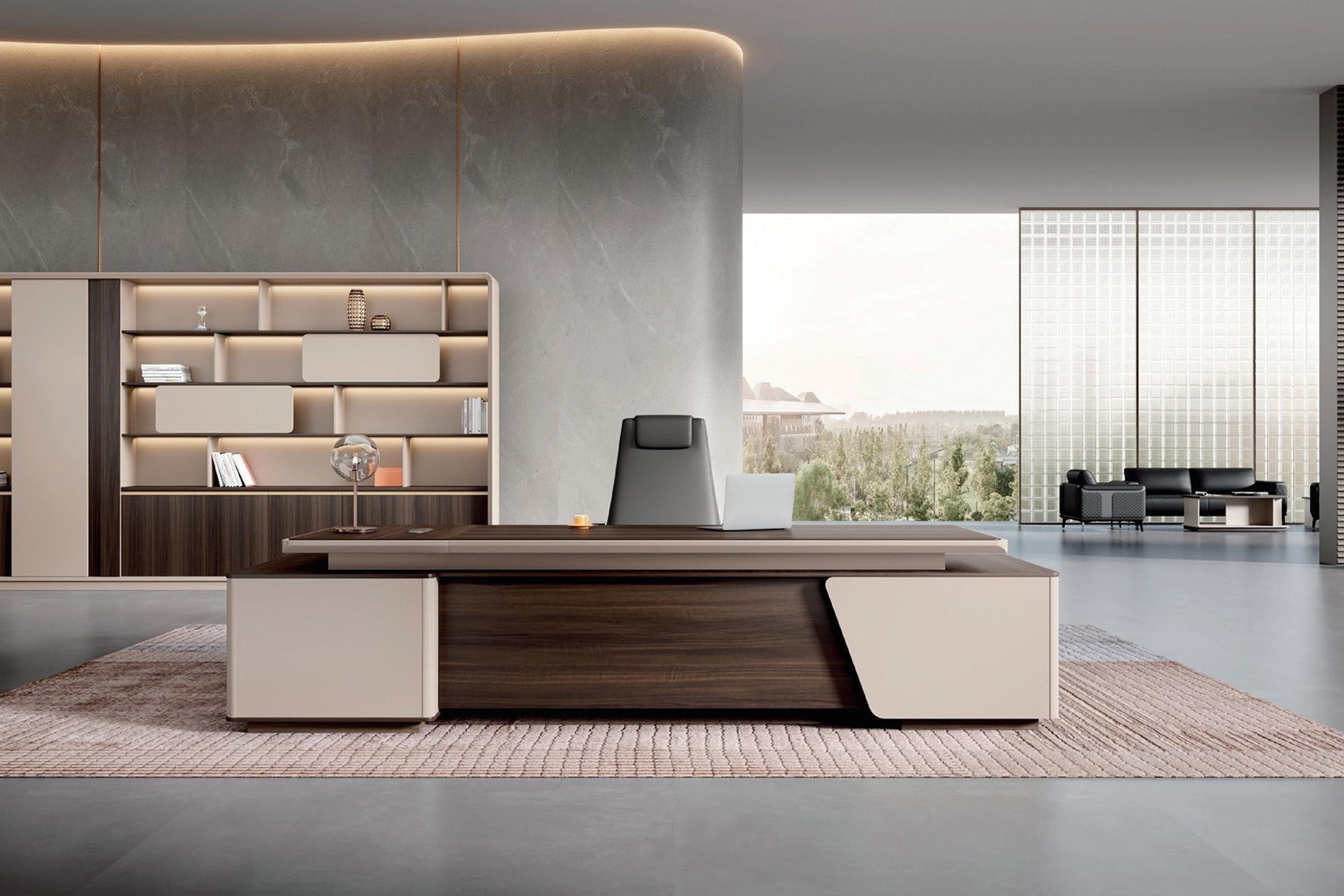


In today's fast-paced business environment, selecting the right office furniture is crucial. Since we spend most of the day at our desks, the quality of your workstation directly impacts productivity, comfort, and long-term health. In this article, we will explore how to choose a suitable office desk or pedestals.
Importance of Office Furniture
A desk is more than just a surface; it is your command center and the place where creativity thrives. Desks come in various configurations, ranging from simple Writing Desks (Shells) to robust Single or double-pedestal desks.
A Pedestal is a dedicated storage unit that tucks under or sits beside your desk. It is essential for organizing files and supplies. By keeping essentials within arm's reach but off the desktop, a pedestal maximizes your usable workspace and keeps you organized.
Types of Desks
Shell Desk / Writing Desk
The simplest form. A spacious work surface with no built-in storage. Ideal for minimalists or laptop users.
Single Pedestal Desk
Features storage drawers on one side. A classic space-saver that offers utility without a massive footprint. Perfect for smaller offices.
Double Pedestal Desk
Features storage on both sides. Designed for managers or power users who need extensive filing space and a commanding presence.
L-Shaped Desk
Utilizes corner space efficiently. It separates your computer work from your paperwork, offering dual zones for multitasking.
Standing Desk (Height Adjustable)
Allows you to switch between sitting and standing. A staple in the modern wellness-focused office.
How to Choose the Right Desk Storage
Size Footprint
Measure twice, buy once. Consider your office floor plan and personal workflow. Ensure the desk fits the space without blocking traffic paths.
Material & Aesthetics
Office desks are commonly made from the following types:
- Wood Desks
Warm and luxurious. Options range from solid wood (expensive, heavy) to laminated veneer lumber. - Steel Desks
Incredibly durable and easy to clean. Often used in high-traffic areas or industrial-style modern offices. - Glass Desks
Sophisticated and airy. A perfect fit for compact offices or home offices.
When it comes to the surface, you will see:
- Laminate: Durable and scratch-resistant (Industry standard).
- Wood Veneer: Premium look for executive spaces.
- Metal/Steel: Industrial strength and modern look.
Material type affects both durability and style. It is necessary to choose the core material according to frequency of use, local climate, and budget while deciding on the finish that complements your office vibe and personal taste.
Functionality
Modern desks should be tech-ready. Look for grommets (holes for wires), built-in cable management trays, and locking drawers for security.
Ergonomics
Health is wealth. An ergonomic setup reduces back and neck strain. Ensure the desk height is comfortable or opt for a Sit-Stand Desk to alternate postures throughout the day.
Storage & Organization
Desk drawers are essential for efficient storage and organization. You can customize your setup by choosing the drawer size, quantity, and divider options that best suit your specific needs.
Efficiency relies on a good filing system. Leverage your desk drawer to manage your documents efficiently and keep your workflow smooth.
Desktop organizers are also important components. Keep the surface clear by using trays and pen cups for small items that don't need to be locked away.
Maintenance Tips
Daily Care
Wipe down surfaces and clean up spills immediately to prevent water rings or laminate bubbling.
Periodic Maintenance
Lubricate drawer glides and tighten screws on legs or handles every few months to keep everything operating smoothly.
Repair
Fix scratches promptly. Consult a professional if necessary.
Office Layout Workflow
Flow Efficiency
Place desks to minimize screen glare from windows while maximizing natural light. In open-plan offices, consider how teams interact and move through the space.
Collaboration vs. Focus
Balance the office layout with open areas for teamwork and quiet corners (or high-walled cubicles) for focused tasks.
Buying Tips
Budget
Balance quality with cost. Make the best choice within your budget.
Durability
A key factor considering long-term use.
Scalability
Consider modular desk systems that can grow or be reconfigured as your team expands.
Latest Trends
Smart Desks
Integration with apps to remind you to stand or adjust height automatically based on your preferences.
Eco-Friendly Materials
Growing demand for low-emission materials and sustainable/recycled wood.
Flexible Workspaces (Hot Desking)
As companies move away from assigned seating, mobile pedestals (carts with cushion tops that double as guest seats) are becoming popular.
The Impact of Your Choice
Impact on Productivity
Selecting the right desk and storage setup significantly improves workflow efficiency and overall productivity.
Employee Satisfaction
A comfortable and functional work environment is key to boosting employee morale and improving retention rates.
Corporate Image
Office furniture influences how visitors perceive your brand. Sleek, organized desks and pedestals convey a sharp, professional image.
Summary
Choosing an office desk is an investment in your productivity and health. It's not just about buying furniture; it's about building an environment where you can perform at your best. By considering size, functionality (like ergonomics and storage), and budget, you can create a workspace that lasts.
Frequently Asked Questions
Q1: What are standard desk dimensions?
A: Typical commercial desks are 48, 60, or 72 inches wide, with a depth of 24 or 30 inches. The standard height is 29 to 30 inches.
Q2: Which material is the most durable?
A: Steel desks are considered the most durable for daily commercial use, however, with proper maintenance, a high-quality wood desk can also last for a very long time.
Q3: Why is ergonomics important?
A: An ergonomic setup prevents repetitive strain injuries and fatigue, keeping you comfortable and focused for longer periods.
Q4: How many drawers should a desk have?
A: A standard pedestal usually has 3 drawers. The optimal number of drawers is up to your storage needs.
Q5: What is the #1 factor when choosing a desk?
A: Fit. It must fit your physical space, your body (ergonomics), and your specific work habits (storage needs).


