
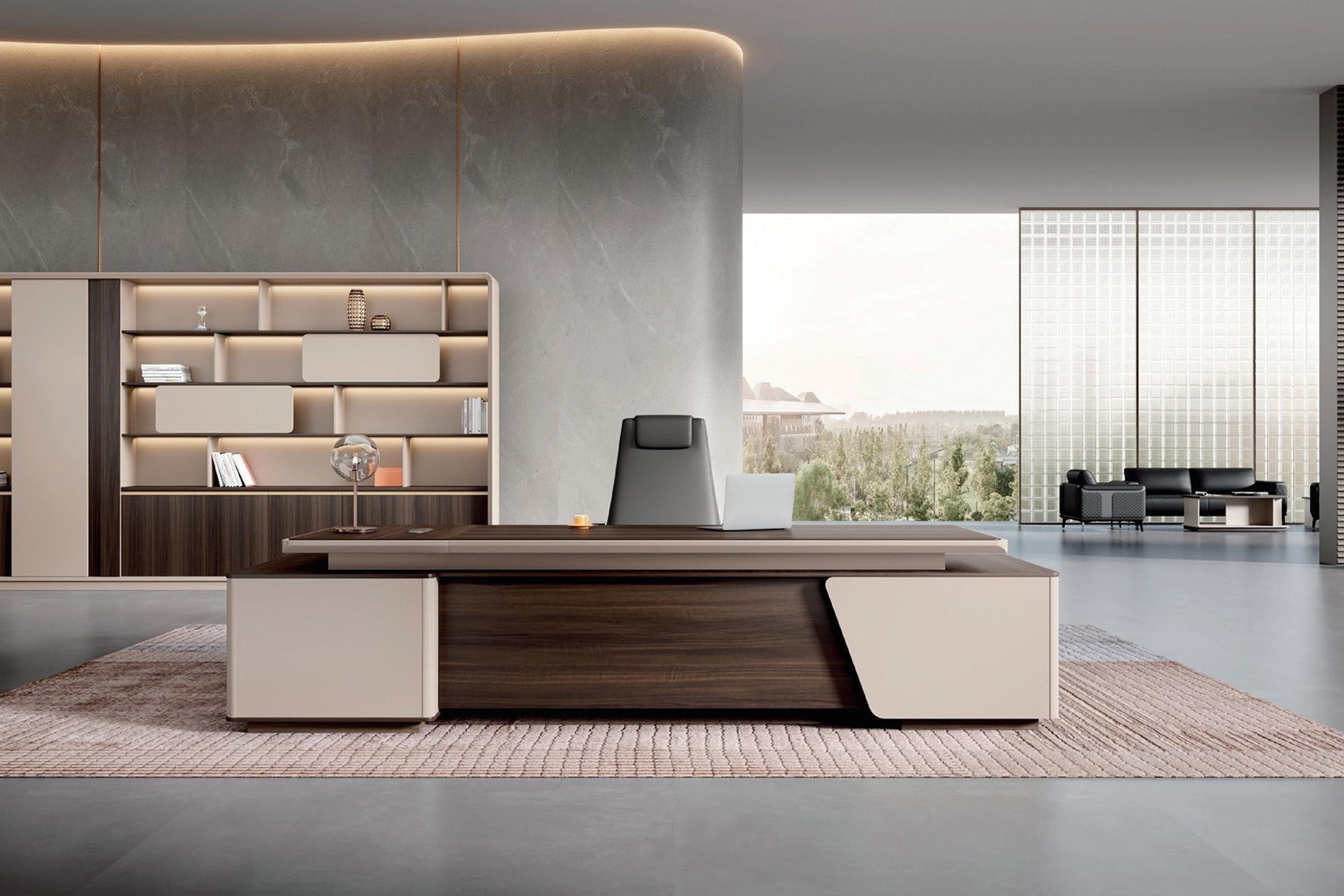
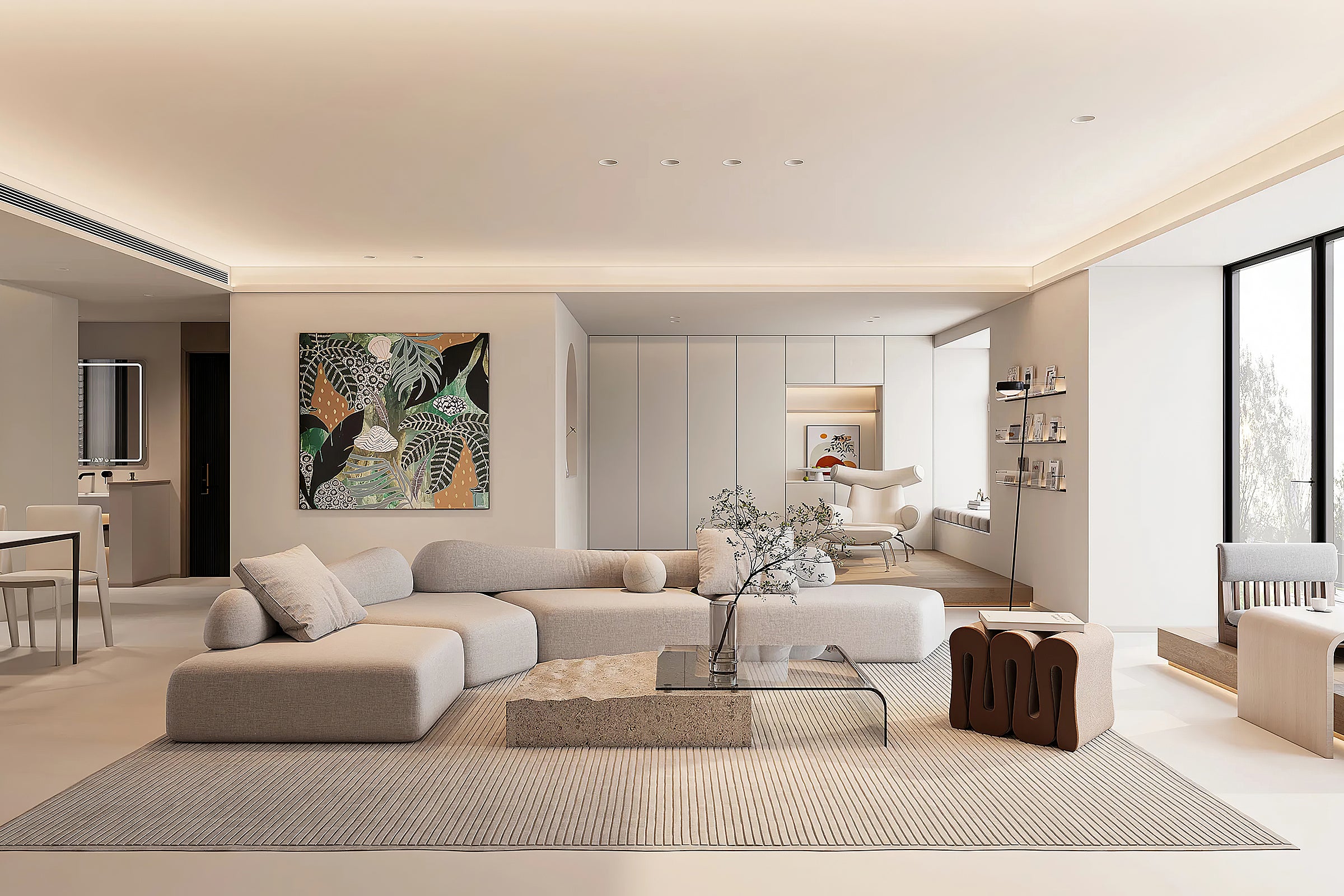


Your reception area is more than just a waiting room; it is the face of your company. It is where you welcome clients, potential hires, and VIPs. Sometimes, it is even the setting for informal "meet-and-greets" that precede major deals. Therefore, selecting the right furniture, especially reception chairs, is critical. The right seating not only provides comfort but also sets the tone for your brand identity and corporate culture immediately upon entry.
Types of Reception Chairs
There are three main categories of reception chairs:
-
Lounge Seating (Sofa Style)
Lounge seating creates a relaxed, "resimercial" (residential + commercial) atmosphere. Available as loveseats (2-seaters) or sofas (3-seaters), they are perfect for creating a welcoming, living-room vibe. -
Armchair
Armchairs offer a more formal, individual space.
They are ideal for maintaining personal space and are often preferred for formal business environments. -
VIP Executive Seating
The executive chair combines luxurious design with superior comfort, making it ideal for areas where important guests and senior executives are received.
How to Choose the Right Reception Chairs
Design & Brand Identity
Your furniture should tell your brand's story. For example, a creative industrial company might opt for modern and bold design, while financial or legal firms often prefer classic and understated styles.
Material Selection
The material of a reception chair not only affects its appearance but also its durability and ease of maintenance. Some common materials include:
Commercial Fabric:
- Pros: Soft, inviting, endless color/pattern options.
- Cons: Prone to staining and requires regular maintenance.
Faux Leather:
- Pros: Easy to clean, waterproof and stain-resistant.
- Cons: Can feel less breathable or "sticky" in hot climates compared to real leather.
Genuine Leather:
- Pros: smells expensive, ages beautifully, commands respect.
- Cons: High price point, requires conditioning.
Mesh:
- Pros: Breathable, modern look, cost-effective.
- Cons: Expensive, requires proper maintenance.
Comfort & Functionality
While aesthetics is important, comfort is paramount. Reception chairs must provide adequate cushioning and back support for long business meetings. Key functional features to consider include:
- Seat Height Adjustment
- Tilt Mechanism
- Adjustable Armrests
- Casters (Wheels)
Size and Layout
Choosing the right size is crucial to ensure the furniture fits the scale of your reception area. You must also consider the configuration of the seating. Common layouts include:
- Face-to-Face: Two chairs placed across the table.
- U-Shape: Chairs arranged on three sides of a central table.
- Circular: Arranged around a round table.
Budget
The price range for reception chairs varies widely, from $70 to over $2,000 per chair. While it is important to choose options that fit your company's budget, remember that the reception area is the "face" of your business. We recommend investing in the highest quality possible to project a professional image.
Reception Chair Maintenance
Proper care is essential to keep your chairs looking pristine for years.
Routine Care
- Vacuuming: Vacuum the floor and upholstery crevices weekly to remove dust and debris.
- Immediate Action: If drinks are spilled or stains occur, blot and clean them immediately.
Care by Material
Fabric
- Use a dedicated upholstery cleaner (always spot-test in an inconspicuous area first).
- To remove stains, use a diluted mild detergent and gently dab the stain with a soft cloth. Do not rub aggressively.
Faux Leather
- Wiping with water is usually sufficient. For tougher grime, use a diluted neutral detergent.
- Always wipe away any moisture thoroughly with a dry cloth.
Genuine Leather
- Use a specialized leather cleaner and conditioner periodically to maintain its luster.
- Avoid direct sunlight and heat sources, and maintain moderate humidity to prevent the leather from aging.
Mesh
- Vacuum to remove dust. If necessary, wipe with a mild detergent solution.
- Ensure the mesh is completely dry before use.
Most-favored Features of Reception Seating
-
Ergonomic Design
Ergonomic chairs that support the body and reduce fatigue are increasingly popular. Expect to see more guest chairs that incorporate lumbar support and contoured seat shapes. -
Eco-Friendly Materials
With a growing focus on sustainability, chairs made from recycled plastics, sustainable wood, and eco-certified fabrics are in high demand. -
Flexible Use
Multi-purpose chairs are trending. These designs work well in reception areas, huddle rooms, and open collaborative spaces. Models with casters for easy reconfiguration are particularly popular. -
Tech Integration
Furniture is getting smarter. Look for lounge seating with integrated USB charging ports and wireless charging pads to keep guests powered up. -
Abundant Colors
Moving beyond standard black and brown, companies are using brighter, vibrant colors to create a more welcoming and energetic office atmosphere.
Summary
When selecting reception chairs, you must weigh various factors such as corporate identity, usage scenarios, and budget. Finding the perfect chair involves balancing design, material, comfort, functionality, size, and ease of maintenance. The right chair elevates your brand image and leaves a lasting positive impression on visitors. Regular maintenance ensures this investment pays off for years to come.
Reception chairs are not just furniture; they are tools that facilitate business communication. With careful selection and proper maintenance, they will maximize the functionality and comfort of the reception area.
Frequently Asked Questions
Q1: What is the typical lifespan of a reception chair?
A1: It depends on frequency of use and maintenance, but generally, commercial-grade chairs last 5 to 10 years. High-quality materials that are well-maintained can last over a decade.
Q2: How should I choose the color of the chairs?
A2: It is best to match the company's brand colors or the interior design palette. Neutral tones (Black, Grey, Navy, Cognac) are common options. However, bright accent colors are also a good choice for creative industries.
Q3: Do reception chairs need armrests?
A3: Armrests are important for comfort during long sits and are helpful for accessibility (helping users stand up). However, if space is limited or you need to fit many chairs around a table, armless models are a valid space-saving option.
Q4: What is the appropriate seat height?
A4: Generally, the standard seat height for reception chairs is 17 to 19 inches off the floor. However, an adjustable height model is ideal for users of different heights and figures.
Q5: If I change the layout of the reception room, does that affect my choice of chairs?
A5: Yes, layout significantly impacts chair selection. For small rooms, compact footprints are essential. For flexible spaces that change frequently (e.g., for events), stackable or nesting chairs are a smart choice for easy storage and movement. Always consider layout flexibility before buying.


